
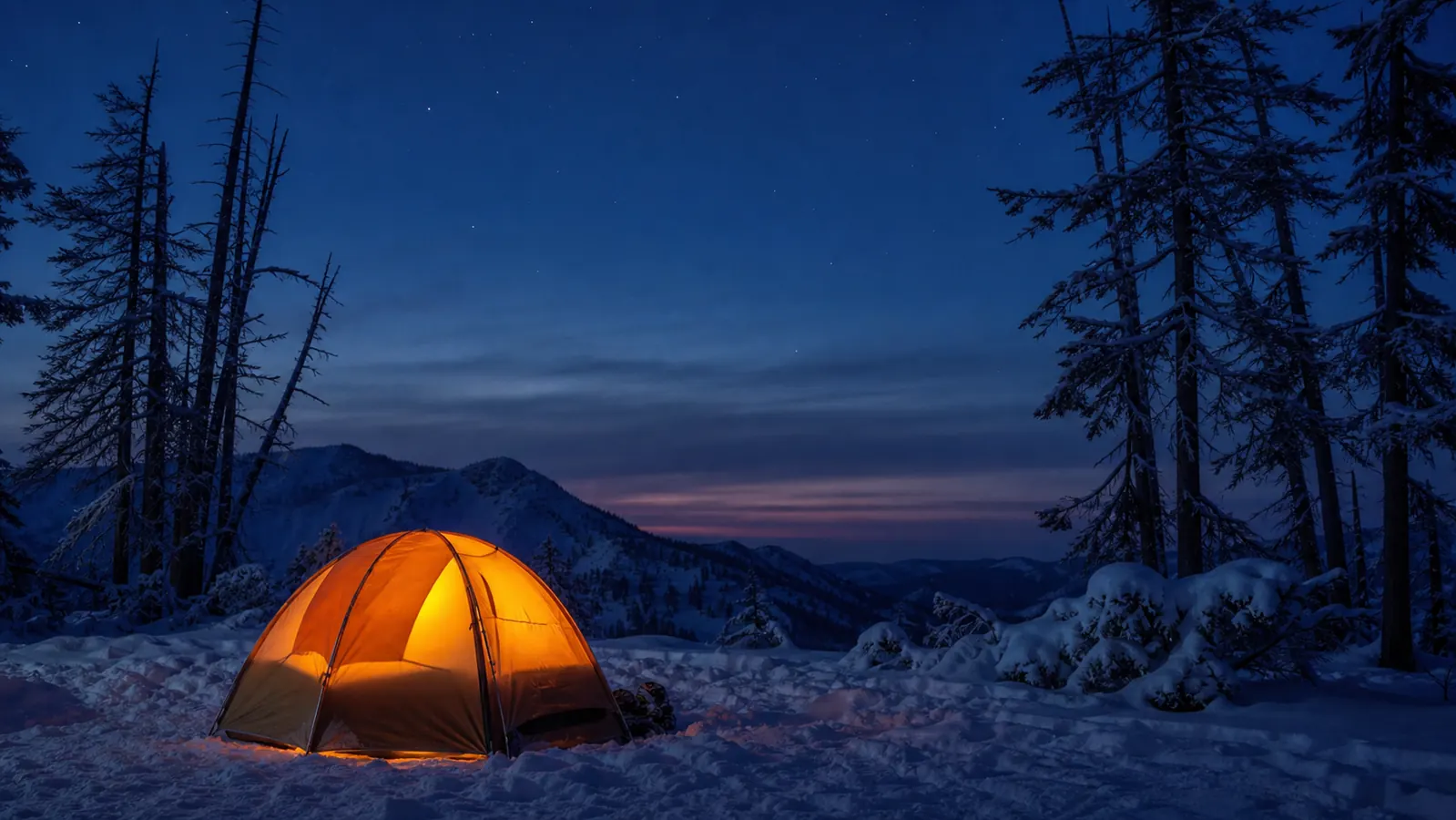
I'll be honest with you: I had no business camping in January. I'd done twenty-odd spring and fall trips by that point, had decent gear for three-season work, and figured cold was just cold. You throw on an extra layer and you're fine. My buddy Derek said the same thing when we planned the overnight at Ocala National Forest that December. Temps were forecast to drop into the mid-twenties. We thought that was nothing.
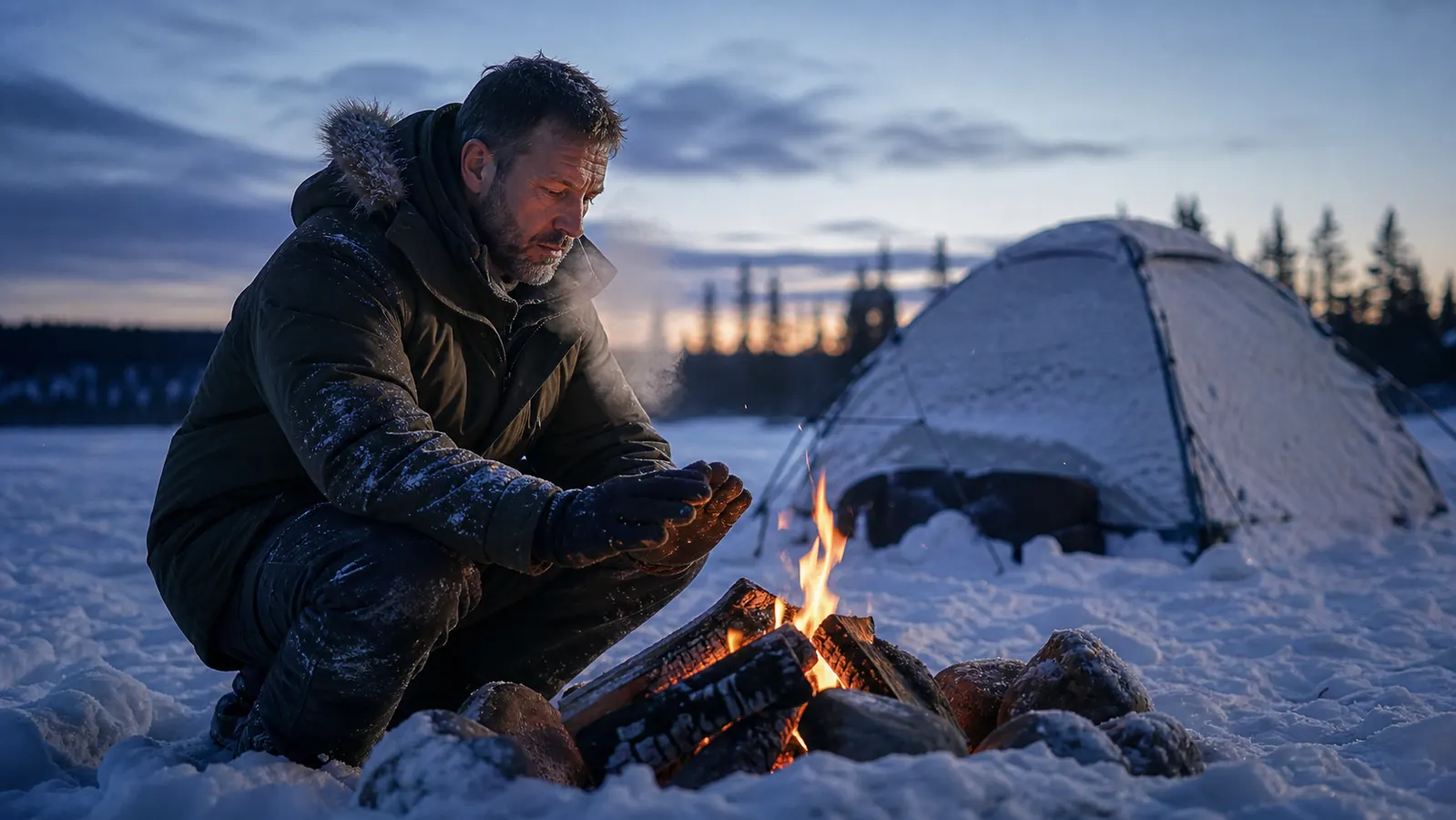
The thermometer at the trailhead read 12 degrees when we rolled in around 4pm. Not the mid-twenties the weather app had promised. Twelve. I stood at the tailgate in my car-camping fleece and felt the cold air close around my face like a wet towel. That was the first moment I realized I might have made a mistake.
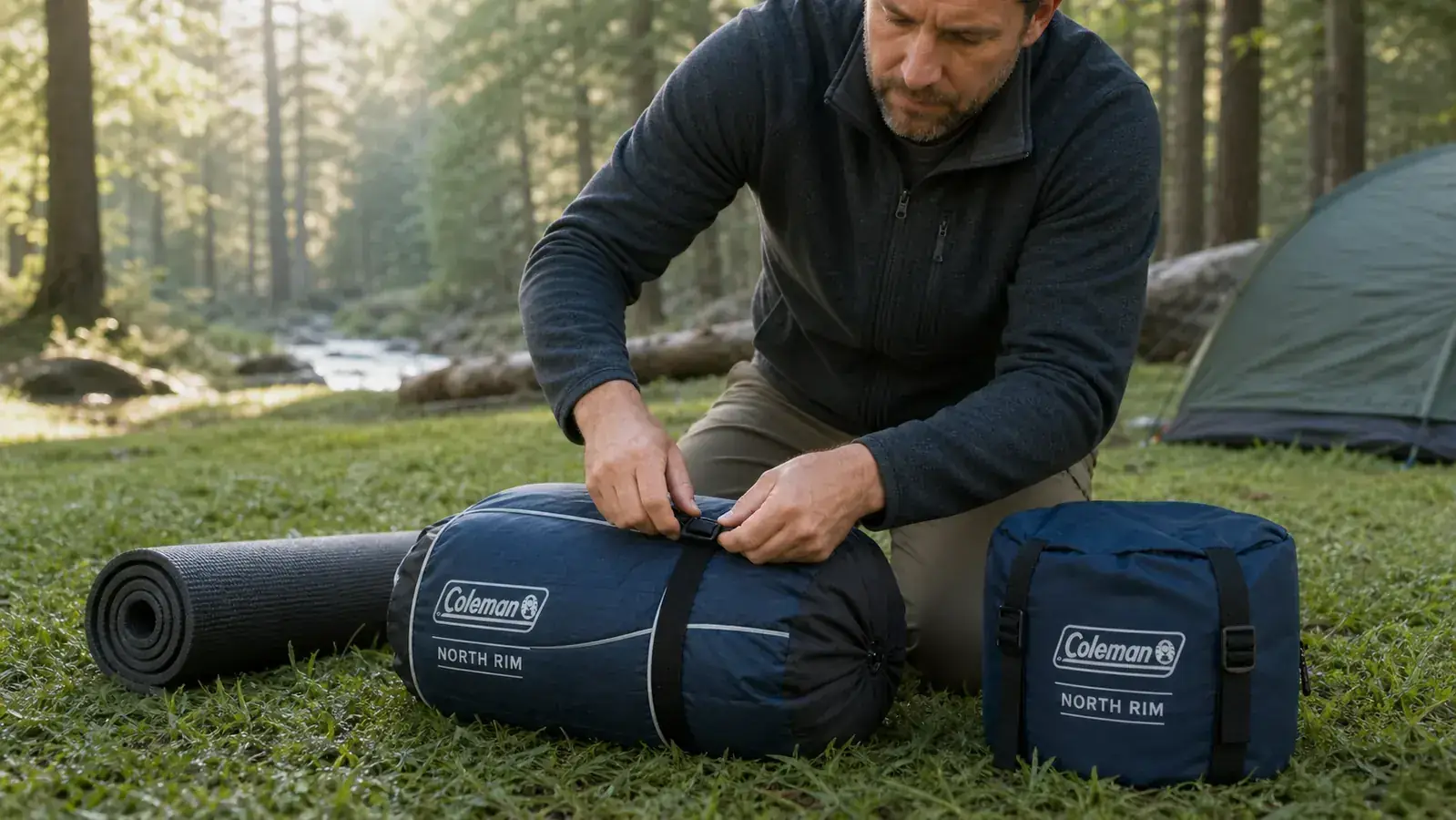
My old sleeping bag was a rectangular Coleman that I'd bought at a Target during a summer camping binge. It was rated to 40 degrees, which I knew in theory was too warm. But I figured I'd sleep in my base layers and be fine. That is the kind of logic that sounds reasonable in your living room and becomes terrifying at 10pm when you're lying on frozen ground with numb feet and a sleeping bag that feels like a damp paper bag.
Two hours into the night I was not sleeping. I was doing math: how cold does it have to get before this becomes a real problem? Derek had a mummy bag rated to zero degrees, the Coleman North Rim 0 Degree, something he'd picked up after a similarly miserable cold trip the previous year. He was asleep by nine. I was watching frost form on the inside of the tent wall and questioning most of my decisions.
By midnight I made the call to swap. We had a second sleeping pad and I unrolled Derek's North Rim and climbed in. The difference was immediate and almost embarrassing. The mummy cut wrapped tight around my head and shoulders, trapping body heat the moment I zipped it up. The hollow-fiber fill is thick enough that you can feel the loft when you press it between your fingers. Within twenty minutes my feet were warm. Not just less cold. Actually warm. I slept five straight hours and woke up to a pale orange sunrise and the smell of frozen pine.
Within twenty minutes my feet were warm. Not just less cold. Actually warm. I slept five straight hours and woke up to a pale orange sunrise.
If you're heading out when temps drop below 30, the Coleman North Rim 0 Degree is the bag that earns its keep.
Rated to 0 degrees, mummy-cut for heat retention, packed with Coleman's hollow-fiber insulation. This is the bag Marcus now keeps on every cold-weather trip. Check today's price on Amazon.
Amazon Check Today's Price on Amazon →The next morning Derek walked me through the bag. The North Rim is a mummy-style sack, which means it's shaped like a cocoon from your feet to just above your head, with a hood you cinch down around your face. That shape is the whole game in cold weather. A rectangular bag bleeds warmth from every ungoverned corner. The mummy holds it in.
The insulation is Coleman's proprietary hollow-core fiber fill, and the shell is a ripstop polyester that does a solid job of blocking wind infiltration inside the tent. The zipper runs from the bottom up the left side to the chin, and it's got an anti-snag guard that I noticed immediately because cheap zippers on sleeping bags have cost me sleep before. This one moved clean every time, even with cold stiff fingers at 2am.
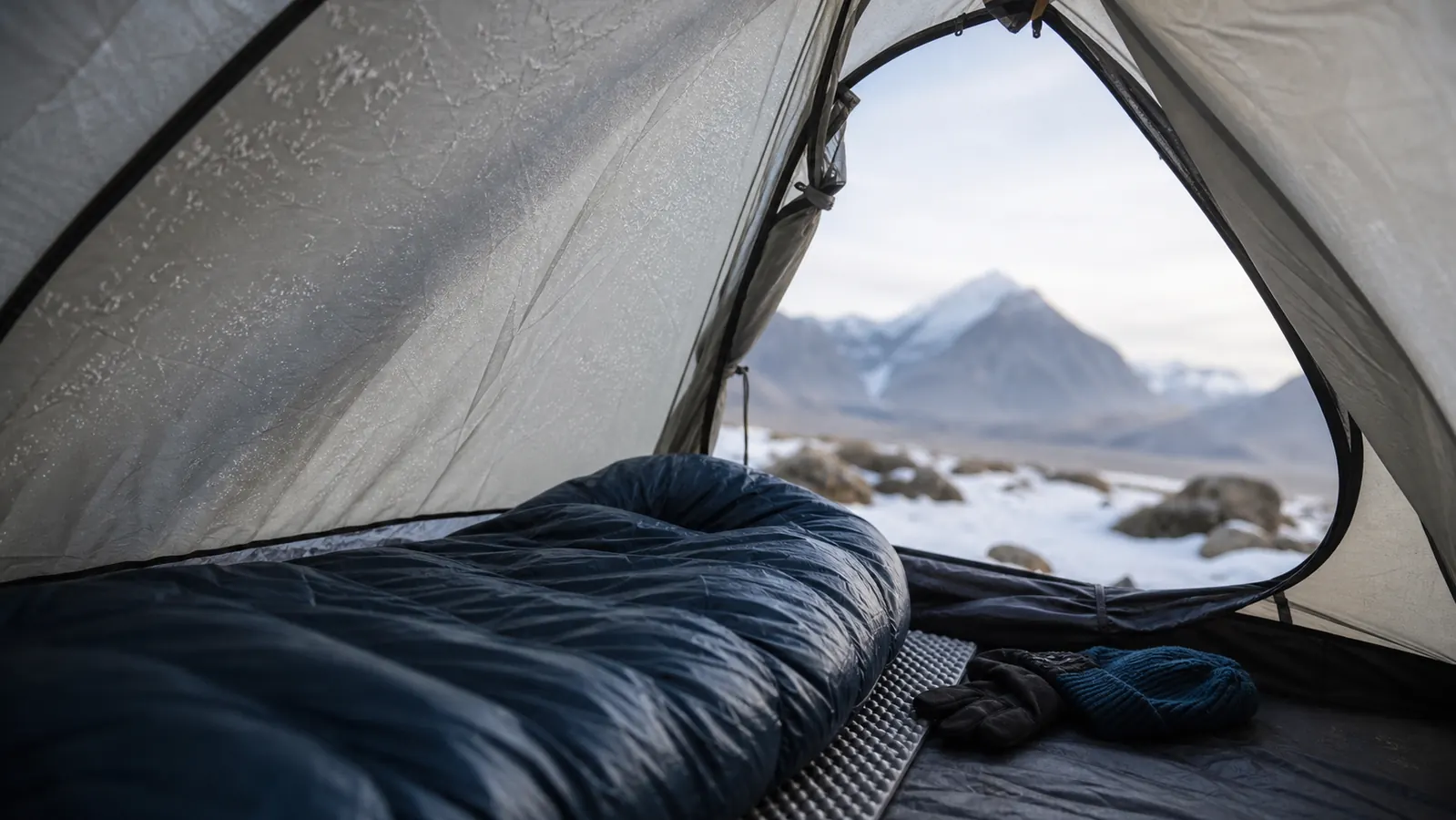
The bag weighs just under four pounds and compresses reasonably well for a bag in this warmth range. It's not an ultralight backpacking bag and it doesn't pretend to be. But for car-camping and base-camping situations where you're walking a short distance and weight isn't your primary concern, that weight is fine. I've since taken it to Tennessee in November and to the Smoky Mountains in March. Both times, the bag did exactly what it promised.
The one thing I'll tell you that I wish someone had told me before that January trip: temperature ratings on sleeping bags assume you are wearing base layers and sleeping on a quality pad. They are not assume-nothing naked-in-a-tent ratings. That night in Ocala I was sleeping on a thin foam pad directly over frozen ground, which pulled heat out of me faster than the bag could put it back. Once I got a proper insulated sleeping pad the following season, the cold-weather equation made a lot more sense. The bag and the pad are a system. Don't buy one and ignore the other.
What I'd Tell You If We Were Sitting at My Kitchen Table
Here is what I'd say if you came to me and asked whether the Coleman North Rim is worth it for cold-weather camping. I'd wrap both hands around my coffee mug and tell you this: it is the most straightforward gear decision I've made in twenty years of camping. It's not the lightest bag you can buy. It's not the most technical. But it is a solidly built mummy bag with a legitimate zero-degree rating that you can order tonight and trust completely on a below-freezing campout next weekend. It costs less than a decent pair of hiking boots and it will last you a decade if you take care of it. I've watched it turn a genuinely miserable night into a good memory. That night in Ocala is now one of my better camping stories. It only became one because I got warm enough to sleep.
Don't repeat my mistake. If the forecast drops below freezing, get the right bag before you go.
The Coleman North Rim 0 Degree Mummy Bag is what Marcus carries on every cold-weather trip. Rated to zero, built to last, and priced at a fraction of premium alternatives. See the current price and specs on Amazon.
Amazon Check Today's Price on Amazon →